
“The best restaurant cabinetry does not call attention to itself. It quietly makes every shift faster, safer, and more organized.”
Q: Why should restaurant owners consider custom cabinetry instead of standard units?
A: Standard cabinetry is manufactured around common residential dimensions. Commercial kitchens rarely follow those dimensions because every restaurant has different equipment, traffic patterns, menus, and storage needs. Custom cabinetry allows every section to be designed around the actual operation. Cabinets can fit tightly around refrigeration units, prep tables, sinks, beverage systems, and specialty equipment without leaving awkward gaps or wasting valuable floor space. It also gives owners better control over:- Storage capacity
- Employee access
- Cleaning requirements
- Equipment clearances
- Customer-facing aesthetics
Expert TipBefore designing cabinets, document where ingredients, tools, dishes, cleaning supplies, and waste containers are currently stored. The most effective layout is built around frequency of use—not simply available wall space.
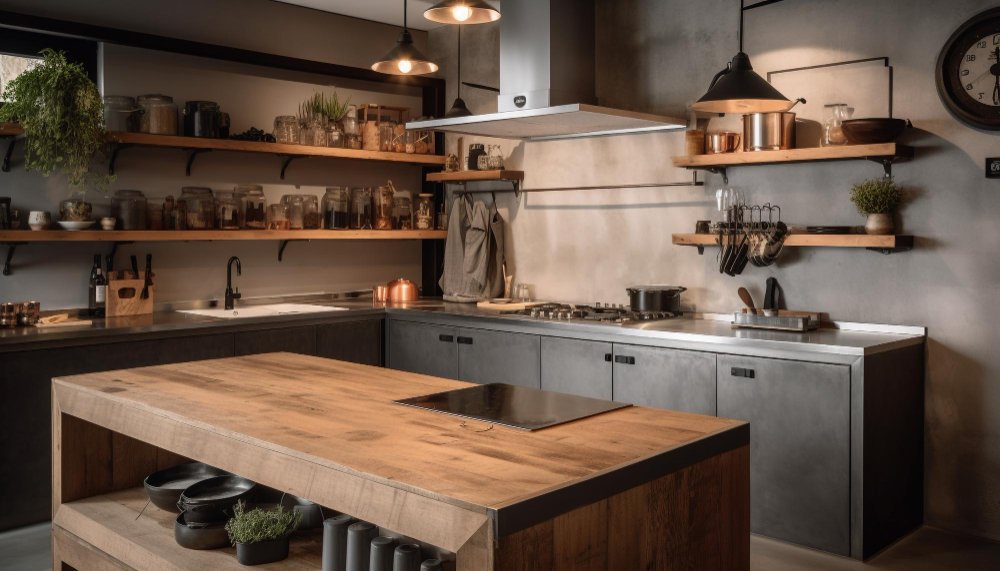

Q: How does cabinetry affect restaurant workflow?
A: Cabinet placement determines how far employees must move to complete routine tasks. During a slow period, a few unnecessary steps may seem insignificant. During peak service, those steps quickly become lost time and congestion. Frequently used tools should remain within easy reach of the station where they are needed. Prep knives belong near cutting surfaces, garnishes near beverage or plating stations, and cleaning supplies close to—but safely separated from—washing zones. Well-planned cabinetry supports dedicated work zones for:- Food preparation
- Cooking
- Plating and service
- Dishwashing
- Beverage preparation
- Waste and recycling
“Efficiency improves when the storage follows the work instead of forcing the staff to work around the storage.”
Q: Which materials are best for custom cabinetry in restaurants?
A: The correct material depends on where the cabinetry will be installed. Back-of-house cabinets face heat, moisture, grease, impact, and constant cleaning. Front-of-house cabinetry must also support the restaurant’s visual identity. Stainless steel is frequently used in demanding kitchen environments because it is durable, nonporous, and easy to sanitize. Moisture-resistant plywood with a commercial-grade laminate can provide a more economical solution in dry storage and lower-impact areas. Wood veneers, hardwood accents, and decorative laminates work particularly well for hostess stations, bars, server areas, and display cabinets where appearance matters as much as durability. Common material applications include:- Stainless steel: cooking, washing, and high-moisture zones
- Marine-grade or moisture-resistant plywood: protected prep and storage areas
- Commercial laminate: durable and economical cabinet fronts
- Wood veneer: front-of-house and customer-facing installations
- Solid-surface materials: counters and seamless service stations
Expert TipAsk how every material responds to moisture, heat, cleaning chemicals, and repeated impact. A finish that performs well in a dining room may fail quickly beside a commercial sink or cooking line.
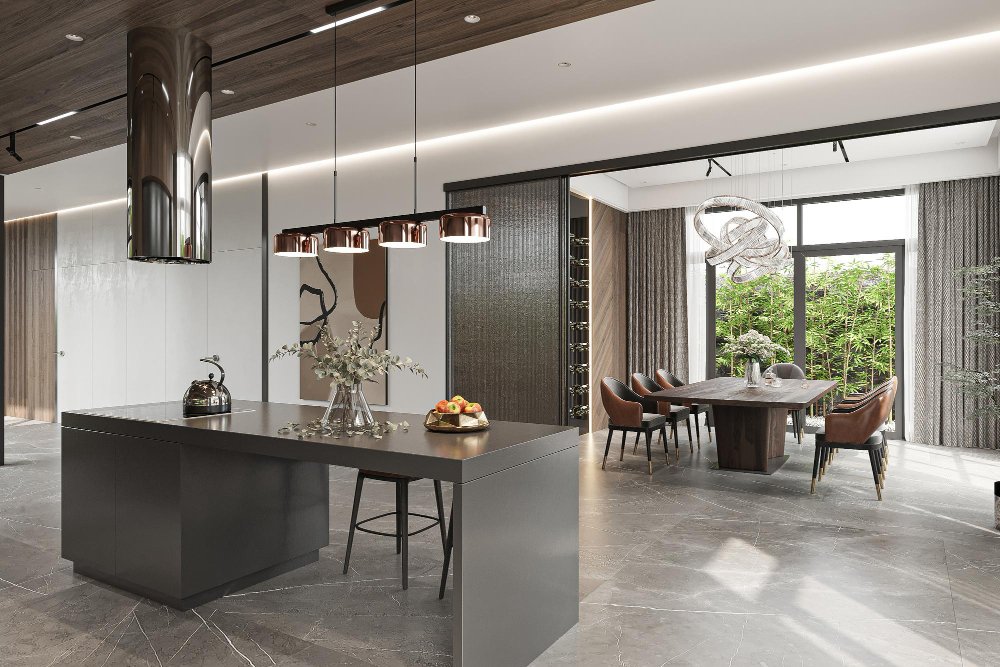
Q: What storage features provide the greatest operational value?
A: The most useful features are usually those that improve visibility and reduce bending, reaching, or searching. Deep drawers are often more practical than lower cabinets because staff can view the entire contents without moving items in front. Pull-out shelves, vertical dividers, adjustable interiors, and dedicated utensil drawers help maintain consistent organization. Waste and recycling bins can be integrated into pull-out systems, provided the design allows easy removal and cleaning. Other valuable features include:- Pull-out spice and condiment storage
- Knife drawers with protective inserts
- Tray and cutting-board dividers
- Adjustable shelves for changing inventory
- Integrated drying racks
- Lockable cabinets for controlled items
- Concealed cable management for technology
Q: How should cabinetry be planned around commercial equipment?
A: Start with verified equipment specifications rather than approximate dimensions. Refrigerators, dishwashers, ice machines, cooking equipment, and beverage systems require specific clearances for ventilation, access, plumbing, and electrical connections. Cabinetry should never prevent technicians from servicing equipment. Removable panels, accessible shutoff valves, and clearly planned utility routes can save substantial time when maintenance is needed.Expert TipDo not fabricate cabinetry from preliminary equipment brochures. Confirm the exact model numbers and final installation specifications before approving shop drawings.
Q: Does the traditional kitchen work triangle apply to restaurants?
A: Not in the same way it applies to residential kitchens. A restaurant may contain several employees completing different tasks simultaneously, so zoning is generally more important than a single triangle between the refrigerator, sink, and cooking surface. The objective is to create short, predictable routes within each station while preventing different workflows from crossing unnecessarily. Raw food preparation should not interfere with plating, clean dishes should not travel through waste zones, and service staff should be able to collect orders without entering active cooking areas whenever possible. Custom cabinetry helps define these zones by giving each function a designated storage system.“A commercial kitchen should operate like a coordinated sequence, not a crowded room full of equipment.”
Q: How can custom cabinetry improve front-of-house design?
A: Customer-facing cabinetry contributes directly to the restaurant’s atmosphere. Host stands, bar displays, service stations, wine storage, and open-kitchen cabinets should feel consistent with the brand. A refined restaurant may use dark wood veneer, reeded panels, brass details, and warm integrated lighting. A casual café might benefit from lighter woods, open shelving, and simple matte finishes. The goal is not to overdecorate but to create visual continuity between architecture, furniture, lighting, and cabinetry. Front-of-house storage should also conceal practical items such as menus, cleaning supplies, point-of-sale equipment, glassware, and service accessories. A beautiful dining room quickly loses its polish when operational clutter remains visible.Expert TipAsk designers to show both open and closed views of customer-facing cabinetry. The exterior may look elegant, but the interior still needs to support rapid service and easy restocking.
Q: What health, safety, and cleaning requirements should be considered?
A: Restaurant cabinetry must be designed for frequent cleaning and safe operation. Surfaces should be smooth, durable, and accessible, with as few dirt-trapping details as possible in food preparation areas. Edges, joints, toe kicks, and gaps around equipment require careful attention. Cabinetry should not create hidden areas where moisture, grease, or food debris can collect. Materials and installation details must also comply with applicable health, fire, accessibility, and building requirements. Owners should review plans with their contractor, kitchen consultant, and local authorities before fabrication begins. Correcting cabinetry after an inspection is far more disruptive than resolving compliance questions during design.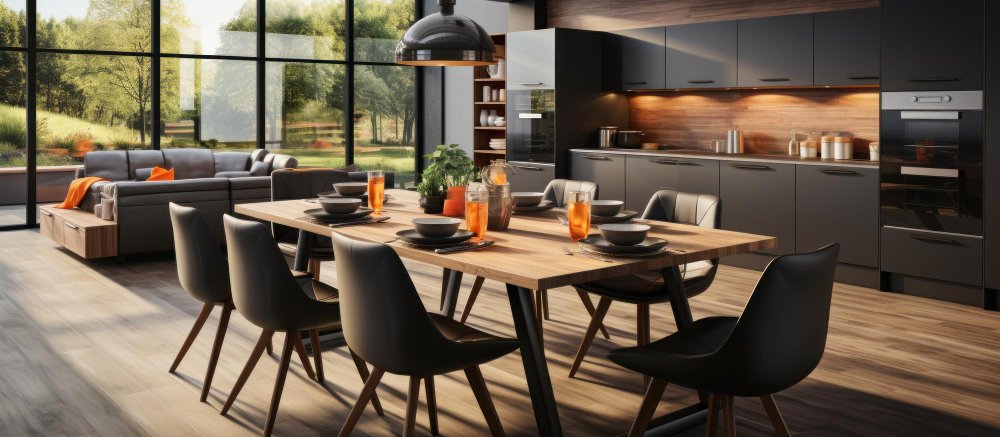
How to Choose Custom Cabinetry for Restaurants: Expert Tips for Success
Custom cabinetry is essential for efficient and stylish restaurant kitchens. By combining durable materials, tailored…
How to Choose the Perfect Kitchen Flooring: Essential Tips
Renovations don’t have to break the bank! This guide helps you plan a cost-effective project…
How to Plan a Renovation Without Breaking the Bank
Renovations don’t have to break the bank! This guide helps you plan a cost-effective project…
Q: What mistakes do restaurant owners make when ordering custom cabinetry?
A: The most common mistake is designing for appearance before analyzing operations. Another is maximizing storage volume without considering how employees will access it during service. Other frequent errors include:- Using residential-grade hardware
- Ignoring equipment ventilation requirements
- Creating shelves that are too deep to use efficiently
- Failing to plan for cleaning access
- Underestimating moisture exposure
- Choosing fixed interiors that cannot adapt
- Approving fabrication before equipment is finalized
Q: How should restaurant owners evaluate a cabinetry provider?
A: Look for experience with commercial hospitality projects rather than residential cabinetry alone. Restaurant work requires different materials, hardware, scheduling, installation methods, and code considerations. Ask prospective providers for:- Examples of completed restaurant projects
- Detailed material and hardware specifications
- Shop drawings showing interior storage
- Coordination procedures for equipment and utilities
- Production and installation timelines
- Warranty and aftercare information
Expert TipReview full-size material samples and hardware whenever possible. Small finish samples rarely communicate how a cabinet will look, feel, and perform across an entire restaurant.
Expert’s Closing Advice
Investing in custom cabinetry for restaurants is ultimately an investment in operational consistency. The right cabinets reduce wasted movement, protect inventory, support sanitation, improve staff organization, and reinforce the restaurant’s visual identity. The strongest projects begin with careful observation. Study how your team moves, where bottlenecks occur, which items are difficult to reach, and what customers can see from the dining area. Then design storage around those realities.“Successful restaurant cabinetry is measured not only by how it looks on opening day, but by how well it performs during the busiest service of the year.”When durable materials, intelligent layouts, and experienced craftsmanship come together, cabinetry stops being a background feature. It becomes part of the system that helps the restaurant work as beautifully as it looks.